Most store-bought cleaners are just a mix of water, a surfactant, and a fragrance — with a price tag that doesn’t match what’s inside the bottle. Vinegar and baking soda handle a surprising number of cleaning jobs on their own, without the cost or the harsh fumes.
These aren’t miracle products. Vinegar is a mild acid, and baking soda is a mild abrasive and odor absorber — that’s really all there is to it. But used the right way, they cover most of what a household actually needs. Below are the recipes worth keeping on hand, plus where each one falls short.
Before You Start: The One Rule
Vinegar and baking soda react with each other on contact — that’s the fizzing you’ve probably seen. If you’re using them together for scrubbing power (like on a stain), use one right after the other rather than pre-mixing them in a bottle, since the reaction cancels out once it’s done fizzing and you’re left with a weak, salty liquid instead of two active ingredients.
Also important: never combine vinegar with bleach. The mix releases chlorine gas, which is dangerous to breathe in an enclosed space like a bathroom.
All-Purpose Spray Cleaner
Good for countertops, sinks, and general wipe-downs.
- 1 cup white vinegar
- 1 cup water
- 10–15 drops of an essential oil (lemon or tea tree work well)
Combine everything in a spray bottle and shake before each use. Skip this one on natural stone counters like granite or marble — the acidity in vinegar can etch the surface over time.
Streak-Free Glass Cleaner
For mirrors and windows.
- 1 cup water
- 1 cup vinegar
- 1 tablespoon cornstarch
Shake until the cornstarch fully dissolves, then spray and wipe with a microfiber cloth. The cornstarch is what prevents the streaking that plain vinegar-water often leaves behind.
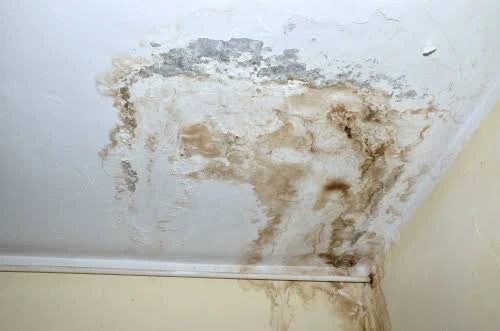
Bathroom Mold and Soap Scum Scrub
For shower walls, grout, and tub buildup.
- ½ cup baking soda
- ¼ cup vinegar
- A few drops of tea tree oil (optional, but it has natural antifungal properties)
Mix the vinegar and baking soda in a bowl — it will fizz. Once it settles into a paste, add the tea tree oil, apply to the moldy or scummy area, let it sit for 10–15 minutes, then scrub with a brush and rinse.
Drain Deodorizer and Light Declogger
For sink and shower drains that smell or drain slowly.
- 4 tablespoons baking soda
- 2 cups vinegar
- Boiling water
Pour the baking soda down the drain, follow with the vinegar, and let it fizz for about 10 minutes. Flush with boiling water. This won’t clear a major clog, but it’s effective for slow drains caused by grease or soap buildup.
Oven Grease Paste
For baked-on grease inside the oven.
- ½ cup baking soda
- 2–3 tablespoons water (enough to form a spreadable paste)
Spread the paste across the interior, avoiding heating elements, and leave it overnight. The baking soda breaks down grease as it sits. Scrub off the next day with a damp cloth — most of the grime will lift with minimal effort.
Carpet Deodorizer
For everyday odors in rugs and carpet.
- 1 cup baking soda
- 10 drops of essential oil (optional)
Mix and sprinkle evenly over the carpet. Let it sit for 15–30 minutes, then vacuum thoroughly. Baking soda absorbs odor rather than masking it, so this works better than most spray deodorizers.
What Vinegar and Baking Soda Can’t Do
To keep this useful rather than oversold: this combination isn’t a disinfectant in the medical sense, and it won’t kill viruses or most bacteria the way an EPA-registered disinfectant will. For surfaces that genuinely need disinfecting — after illness in the house, or raw meat prep in the kitchen — use a proper disinfectant, not vinegar. Vinegar and baking soda are best for everyday grime, odor, and light stains, not sanitizing.
If you want cleaning products that are both effective and safer for your household, the EPA’s Safer Choice program is a useful reference for what to look for on a label.
FAQs About Homemade Cleaning Solutions
Is it safe to mix vinegar and baking soda?
Yes, but the reaction is temporary. Once the fizzing stops, you’re left with a mild saltwater solution with little cleaning power. Use them one after the other for a scrubbing paste, not pre-mixed in a bottle.
Can I use vinegar on all surfaces?
No. Avoid it on natural stone like granite, marble, or travertine, since the acid can etch and dull the surface over time. It’s also not recommended on hardwood floors with a wax finish.
Do homemade cleaners disinfect surfaces?
Not reliably. Vinegar and baking soda clean and deodorize, but they don’t meet the standard of an EPA-registered disinfectant. For surfaces that need actual disinfecting, use a dedicated disinfectant product.
How long do homemade cleaning solutions last?
The vinegar-based sprays stay effective for a few weeks if stored in a cool, dark place. Baking soda pastes are best made fresh each time since they lose their fizzing power once dry.
Final Thoughts
You don’t need a full cabinet of cleaning products to keep a home looking and smelling clean. Vinegar, baking soda, and a spray bottle cover most day-to-day messes, and you likely already have both in your kitchen. For anything beyond everyday grime — mold in a bathroom that’s spread, or disinfecting after illness — pair these with the right dedicated product rather than relying on this combination alone.
For the full room-by-room routine these recipes fit into, see our deep cleaning checklist.