Florida’s warm and humid climate can make moisture control a regular part of home maintenance. Condensation, leaks, poor ventilation, and high indoor humidity can create conditions where mold grows.
Knowing how to prevent mold in Florida homes starts with controlling moisture before it becomes a larger problem.
You do not need to wait until you see mold. Regular checks around bathrooms, windows, air-conditioning systems, plumbing, closets, and other damp areas can help identify moisture problems early.
This guide explains practical ways to reduce moisture and prevent mold growth throughout your Florida home.
Quick Answer
To prevent mold in a Florida home, control indoor moisture, use air conditioning and ventilation properly, fix leaks quickly, keep bathrooms dry, monitor condensation, maintain gutters and drainage, and inspect areas that stay damp. If you have recurring or extensive mold, identify and address the moisture source instead of repeatedly cleaning the visible growth.
Why Is Mold a Common Concern in Florida Homes?
Florida’s climate can create frequent moisture challenges.
Warm outdoor temperatures combined with humid air can contribute to condensation and elevated indoor moisture. Homes can also experience moisture from:
- Showers
- Cooking
- Plumbing leaks
- Roof leaks
- Poor drainage
- Air-conditioning systems
- Wet clothes and towels
- Condensation around windows
- Flooding or storm-related water intrusion
The key to mold prevention is not simply cleaning surfaces. It is controlling the moisture that allows mold to grow.
1. Keep Indoor Humidity Under Control
Managing indoor humidity is one of the most important parts of mold prevention.
Use your home’s air-conditioning system properly and monitor areas where humidity seems high.
Signs of excess indoor moisture can include:
- Condensation on windows
- Musty odors
- Damp closets
- Persistent bathroom moisture
- Peeling paint
- Damp walls or ceilings
A hygrometer can help you monitor indoor humidity rather than relying only on how the room feels.
If humidity remains high despite normal AC operation, investigate the cause.
2. Maintain Your Air Conditioner
Your AC system does more than cool your home. It also plays an important role in managing indoor moisture.
Pay attention to:
- Weak airflow
- Unusual odors
- Water around the indoor unit
- Poor cooling
- Excessive condensation
- Unusual sounds
Keep filters maintained according to the manufacturer’s recommendations.
If the system is not removing moisture effectively, have it inspected by a qualified HVAC professional.
For more general Florida maintenance tasks, read our Florida Home Maintenance Checklist.
3. Use Bathroom Ventilation
Bathrooms are naturally exposed to moisture from showers and baths.
Use the bathroom exhaust fan during showers and continue ventilation afterward as appropriate.
Also:
- Wipe excess water from surfaces
- Keep shower areas clean
- Check around sinks and toilets
- Repair plumbing leaks
- Avoid leaving wet towels in enclosed spaces
If mold keeps returning in the bathroom, cleaning the surface alone may not solve the problem.
Our guide on How to Fix a Running Toilet covers bathroom-specific mold problems in more detail.
4. Fix Plumbing Leaks Quickly
A small plumbing leak can create a persistent source of moisture.
Regularly inspect:
- Under kitchen sinks
- Under bathroom sinks
- Around toilets
- Around washing machines
- Around water heaters
- Around refrigerators with water connections
- Visible plumbing pipes
Look for water stains, damp cabinets, corrosion, or musty odors.
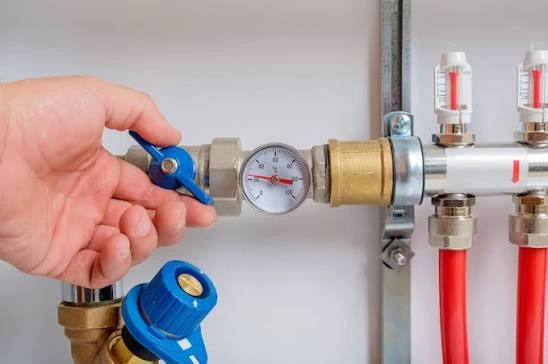
If you discover a leaking pipe, shut off the water when appropriate and address the problem promptly.
Read our guide on How to Fix a Leaky Faucet for more information about dealing with pipe leaks.
5. Check Windows for Condensation
Condensation can appear when warm, humid air meets a cooler surface.
Check windows regularly, especially in rooms where condensation occurs repeatedly.
If you notice moisture:
- Wipe it away.
- Check indoor humidity.
- Improve ventilation.
- Look for possible air leaks.
- Monitor whether the problem keeps returning.
Persistent condensation may indicate a larger moisture or ventilation issue.
6. Keep Closets From Becoming Damp
Closets can develop moisture problems when air circulation is limited.
Avoid packing clothes tightly against walls.
Give clothing and stored items enough space for air to circulate.
Pay particular attention to:
- Exterior walls
- Closets near bathrooms
- Closets with musty odors
- Areas where condensation appears
Do not store damp clothes or towels in enclosed spaces.
7. Keep Your Home Dry After Heavy Rain
Florida homes can experience heavy rainfall and storms.
After significant rain, inspect areas that are vulnerable to water intrusion.
Check:
- Ceilings
- Attics
- Around windows
- Exterior doors
- Walls
- Floors
- Cabinets
Look for stains, damp spots, peeling paint, or unusual smells.
Address water intrusion as soon as possible rather than allowing wet materials to remain damp.
8. Maintain Gutters and Downspouts
Gutters help move rainwater away from your home.
Blocked or damaged gutters can cause water to collect around the property and contribute to moisture problems.
Check your:
- Gutters
- Downspouts
- Drainage areas
- Exterior walls
- Areas around the foundation
Remove debris when needed and make sure downspouts direct water away from the home.
9. Watch for Roof Leaks
A roof leak can introduce water into areas that are difficult to notice.
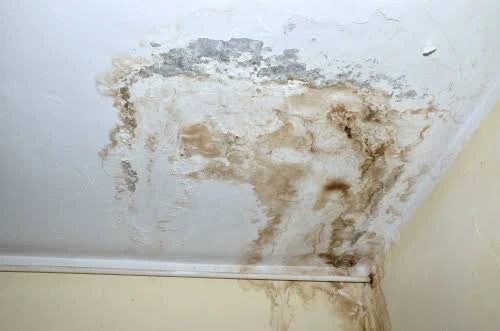
Check ceilings and upper walls for:
- Brown or yellow stains
- Peeling paint
- Damp areas
- Bubbling surfaces
- Musty smells
If you notice signs of a roof leak, arrange an inspection with a qualified roofing professional.
Do not attempt unsafe roof inspections yourself.
10. Dry Wet Areas Quickly
Mold prevention becomes more difficult when wet materials remain damp for extended periods.
After spills, leaks, or water intrusion:
- Remove standing water
- Dry affected surfaces
- Increase appropriate ventilation
- Find the source of the moisture
- Monitor the area afterward
Pay special attention to carpets, upholstery, cabinets, drywall, and other materials that can hold moisture.
11. Check Your Home After a Storm
Storms can create new moisture problems even when there is no obvious major damage.
After severe weather, safely inspect your property for:
- Roof damage
- Broken windows
- Damaged doors
- Water stains
- Wet insulation
- Leaks
- Standing water
Follow local safety instructions before entering areas that may be damaged.
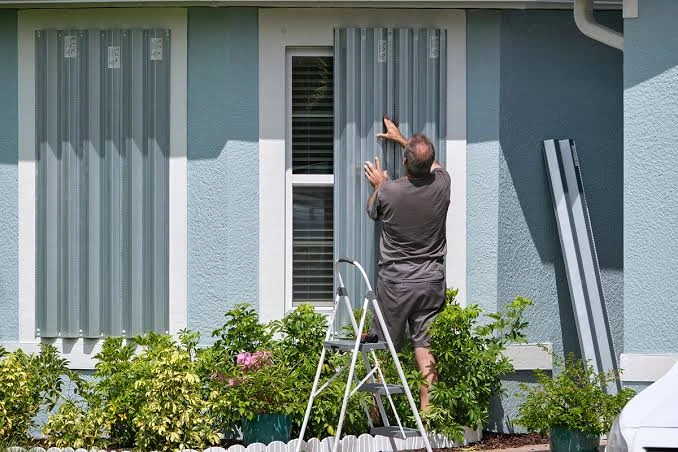
Our Florida Hurricane Home Preparation Checklist can help you prepare your property before severe weather arrives.
Florida Mold Prevention Checklist
Use this quick checklist during your regular home inspection:
☐ Check indoor humidity
☐ Maintain the AC system
☐ Replace or clean HVAC filters as recommended
☐ Use bathroom ventilation
☐ Check under sinks
☐ Inspect visible plumbing
☐ Look for window condensation
☐ Check closets for dampness
☐ Inspect ceilings for water stains
☐ Check gutters and downspouts
☐ Look for signs of roof leaks
☐ Dry wet areas quickly
☐ Inspect the home after major storms
☐ Address recurring moisture problems
What Areas of a Florida Home Are Most Prone to Mold?
Mold can develop anywhere moisture remains present, but some areas deserve extra attention.
Bathrooms
Showers, tubs, ceilings, walls, and areas around plumbing can become damp.
Kitchens
Leaks under sinks, condensation, and poor ventilation can contribute to moisture.
Closets
Limited airflow can make damp conditions persist.
Attics
Roof leaks or ventilation problems can introduce or trap moisture.
Laundry Areas
Washing machines and wet clothes can increase moisture around laundry spaces.
Around Windows
Condensation and water intrusion can create damp surfaces.
HVAC Areas
Condensation or drainage problems around AC equipment can create moisture.
Does Air Conditioning Prevent Mold?
Air conditioning can help manage indoor temperature and moisture, but simply running the AC does not guarantee that mold will not develop.
If the system is not operating properly, indoor humidity may remain high.
Regular maintenance, proper airflow, and attention to condensation or water around the system are important.
If your AC is cooling the home but humidity still seems unusually high, have the system checked by a qualified professional.
What If You Already Have Mold?
If you discover mold, do not focus only on removing what you can see.
First consider why the area became damp.
Possible causes include:
- A plumbing leak
- Roof damage
- High indoor humidity
- Condensation
- Poor ventilation
- Water intrusion
Small surface problems may sometimes be addressed as part of routine household cleaning, depending on the material and situation.
For larger, recurring, or extensive mold problems, consider professional assessment and remediation.
People with significant health concerns related to mold exposure should also seek appropriate professional advice.
How to Prevent Mold After a Florida Hurricane
After a hurricane or major storm, moisture can become a much bigger concern.
If your home experiences water intrusion:
- Follow local safety instructions.
- Avoid unsafe electrical areas.
- Remove standing water when it is safe to do so.
- Dry wet materials as quickly as practical.
- Identify where the water entered.
- Document damage for your records and insurance process.
- Arrange professional help for significant water damage.
Do not enter floodwater if you are unsure about its safety.
Frequently Asked Questions
How do you prevent mold in Florida homes?
Control indoor moisture, maintain your AC system, use bathroom ventilation, repair leaks quickly, monitor condensation, maintain drainage, and inspect the home after heavy rain or storms.
Why does my Florida house keep getting mold?
Recurring mold usually indicates an ongoing moisture problem. High humidity, leaks, condensation, poor ventilation, or water intrusion can all contribute.
Does a dehumidifier help prevent mold in Florida?
A dehumidifier can help reduce indoor moisture in areas where humidity remains high. However, it should not be used as a substitute for fixing leaks, ventilation problems, or other moisture sources.
How do I stop mold from growing in my bathroom?
Use adequate ventilation, reduce standing water, keep surfaces dry, repair leaks, and address recurring moisture problems. If mold repeatedly returns, investigate the underlying cause.
Can a roof leak cause mold?
Yes. A roof leak can introduce moisture into ceilings, walls, insulation, and other building materials. A persistent leak should be addressed promptly.
How often should I check my Florida home for moisture problems?
A quick visual inspection can be part of your regular monthly maintenance routine. Also inspect the home after heavy rain, storms, or when you notice unusual odors, stains, or condensation.
Final Thoughts
Learning how to prevent mold in Florida homes starts with one simple principle: control moisture.
Keep an eye on humidity, AC performance, bathrooms, plumbing, windows, roofs, gutters, and areas that stay damp.
When you find recurring moisture, address the source instead of repeatedly cleaning the visible problem.
Regular home maintenance can make it easier to identify these issues early and keep your Florida home cleaner, drier, and more comfortable.