
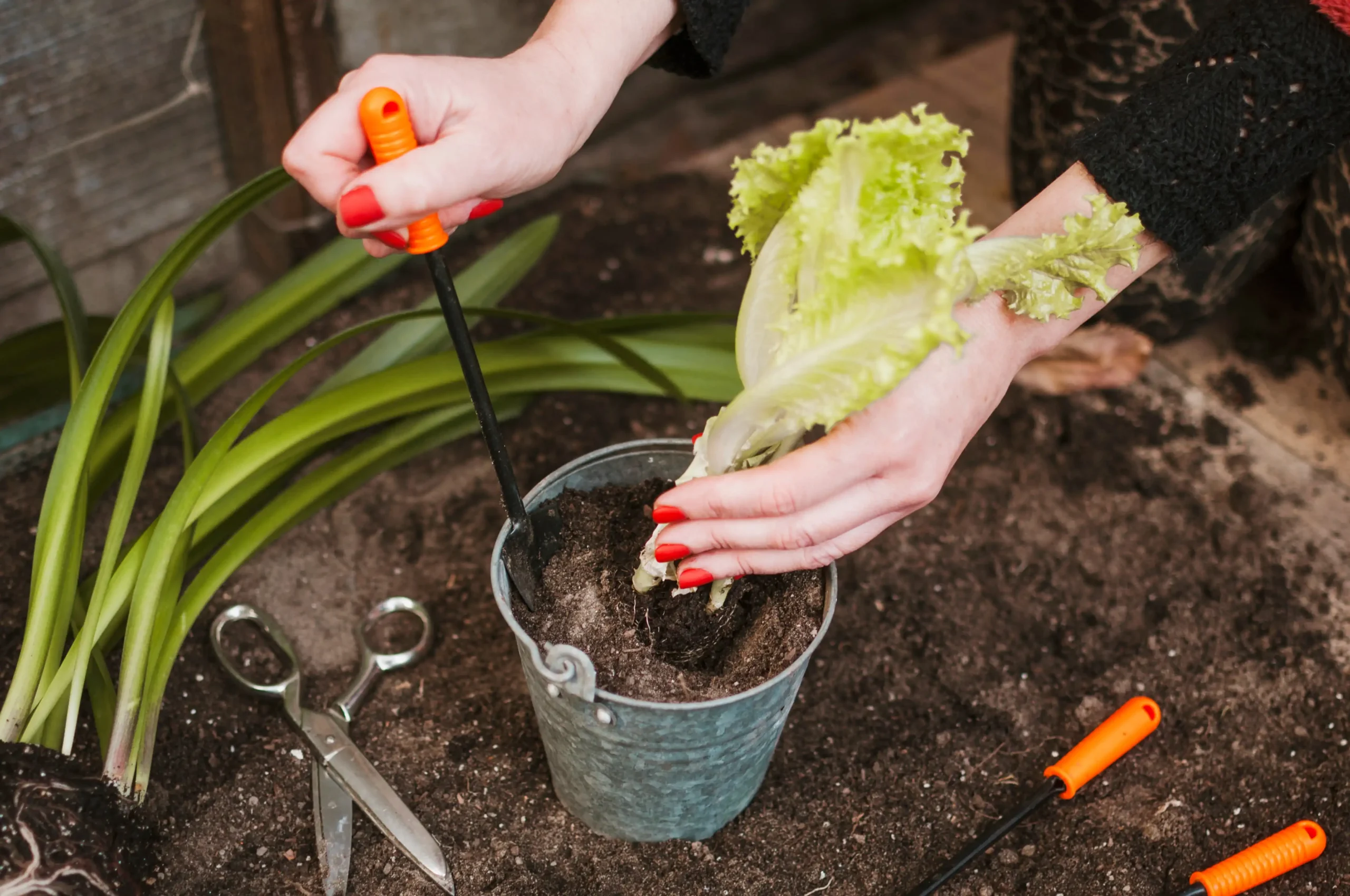
To start a vegetable garden as a beginner, choose a spot that gets 6–8 hours of direct sun daily, start small with a 4×4 or 4×8 raised bed (or a similarly sized in-ground plot), improve the soil with compost, and plant a handful of easy, forgiving crops like lettuce, green beans, tomatoes, or zucchini. Most first-garden failures come from starting too big, not from a lack of gardening skill.
Every guide on how to start a vegetable garden for beginners eventually says the same thing: start smaller than you think you need to. It’s easy to get excited at the garden center and come home with fifteen seed packets, but a manageable garden you can actually keep up with will out-produce an ambitious one that gets neglected by midsummer.
Step 1: Choose the Right Location
Sunlight is the single biggest factor in how well a vegetable garden performs. Most vegetables need at least 6 to 8 hours of direct sunlight daily to fruit well — leafy greens can tolerate a bit less, but fruiting vegetables like tomatoes and peppers genuinely need the full amount.
Beyond sun, look for:
- Good drainage — a spot where water doesn’t pool after rain
- Proximity to a water source — carrying water by hand every day gets old fast
- Reasonably flat ground — steep slopes complicate watering and soil retention
- Closeness to your house — a garden tucked far from where you spend time gets neglected faster than one you walk past daily
Step 2: Decide on Garden Size and Style
This is where most first-time gardeners overestimate. A 4×4 or 4×8-foot raised bed is the standard beginner recommendation, and for a reason — it’s large enough to grow a real variety of vegetables but small enough to weed, water, and harvest without it becoming a chore.
If you’re going in-ground instead of raised beds, a 10×10-foot plot (100 square feet) is a comparable, manageable size. As a general rule, a 12×24-foot garden is about the largest a first-year gardener should attempt, and only if you’re genuinely ready for the regular upkeep that comes with it.
Raised beds vs. in-ground:
- Raised beds offer better drainage, warm up faster in spring, and are easier on soil quality since you control what goes in them
- In-ground gardens cost less to start but depend more on your existing soil quality
Step 3: Prepare the Soil
Good soil is what actually determines how well your first garden performs — more than the specific vegetables you choose. Before planting:
- Remove grass, weeds, rocks, and debris from the planting area
- Loosen the soil with a shovel or fork so it’s not compacted
- Mix in compost or other organic matter to improve texture and fertility
- Consider testing your soil’s pH with an inexpensive kit — most vegetables prefer slightly acidic to neutral soil, and amendments like lime or sulfur can correct soil that’s too far off in either direction
Step 4: Choose Easy, Beginner-Friendly Crops
Part of learning how to start a vegetable garden for beginners is picking crops that forgive mistakes. Good starter vegetables include:
- Lettuce — fast-growing, tolerates partial shade, hard to mess up
- Green beans — productive and low-maintenance
- Radishes — ready to harvest in as little as three to four weeks
- Tomatoes — need staking or a cage, but reliable and rewarding
- Zucchini — famously productive, sometimes overwhelmingly so
- Peppers — slower to start but low-maintenance once established
Pick three to five vegetables for your first garden rather than a dozen. Buying three to five plants of each is usually enough for a household to enjoy without being overwhelmed by harvest.
Step 5: Plan Your Layout
Leave paths every 3 to 4 feet so you can weed and harvest without stepping directly on planted soil, which compacts it and stresses root growth. Keeping beds no wider than 4 feet lets you reach the center from either side without stepping in at all.
Step 6: Plant at the Right Time
Check your local frost dates before planting — cool-season crops like lettuce and radishes can go in earlier, while warm-season vegetables like tomatoes, peppers, and zucchini need the soil and air to have warmed up first. Seed packets typically list the ideal planting window for your general region.
Step 7: Water Consistently
New vegetable gardens need more frequent watering than established ones, since young roots haven’t grown deep enough to access moisture further down. A consistent schedule — rather than sporadic heavy watering — produces steadier growth and helps prevent issues like blossom end rot in tomatoes, which is often linked to inconsistent watering.
Basic Tools to Get Started
You don’t need an elaborate tool collection for a first garden:
- A garden trowel
- A spade or fork for turning soil
- Garden gloves
- A watering can or hose
- Stakes or a small trellis if you’re growing tomatoes or climbing vegetables
You can expand your tools as your garden grows — none of the above needs to be expensive to work well.
Common Beginner Mistakes to Avoid
- Planting too much, too soon — a garden you can’t keep up with becomes discouraging fast, and plants suffer from neglect
- Ignoring soil quality — even the best seeds struggle in poor, uncompacted, or nutrient-lacking soil
- Underestimating sunlight needs — a spot that looks sunny in spring can be shadier by midsummer once nearby trees fill in
- Overwatering or underwatering — consistency matters more than volume
FAQs About How to Start a Vegetable Garden for Beginners
What size should a beginner vegetable garden be?
A 4×4 or 4×8-foot raised bed, or a roughly 10×10-foot in-ground plot, is the standard beginner-friendly size — large enough for real variety, small enough to maintain without becoming overwhelming.
What are the easiest vegetables to grow for beginners?
Lettuce, green beans, radishes, tomatoes, zucchini, and peppers are commonly recommended starter crops because they’re forgiving of minor mistakes and don’t require advanced techniques.
How much sunlight does a vegetable garden need?
Most vegetables need 6 to 8 hours of direct sunlight daily to grow and fruit well. Leafy greens can tolerate somewhat less, but fruiting vegetables like tomatoes generally need the full amount.
Do I need raised beds to start a vegetable garden?
No. Raised beds offer better drainage and soil control, but an in-ground garden works well too, especially if your existing soil is reasonably good and well-draining.
Final Thoughts
Learning how to start a vegetable garden for beginners really comes down to picking a sunny spot, starting smaller than feels exciting, and preparing the soil properly before anything gets planted. Everything else — tools, layout, specific crops — is far more forgiving than most new gardeners expect. Your first garden doesn’t need to be impressive; it just needs to be manageable enough that you’ll actually keep up with it through the season.