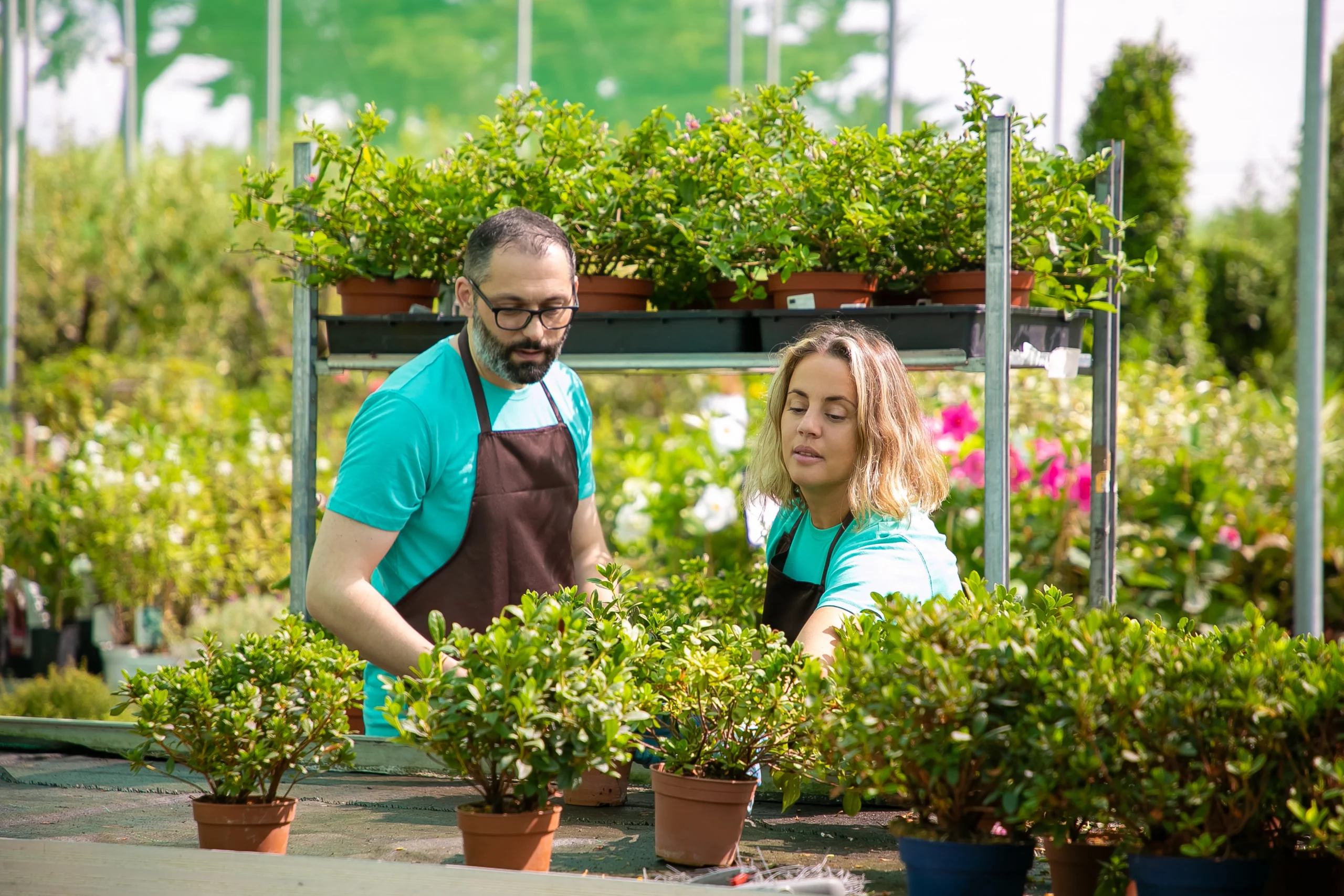
Gardening for beginners starts with picking a sunny spot (6-8 hours of light), starting small, and choosing forgiving plants. A good beginner garden usually combines a small vegetable patch, one or two easy perennials for color and pollinators, and possibly a native shrub if space allows. This guide links to a full growing guide for each.
Every new gardener faces the same early decision: what to actually plant first. The honest answer is that a mix works best — something you can eat, something that flowers reliably, and something low-maintenance that rewards patience over years rather than weeks. This guide brings together RankChemist’s growing guides into one starting point.
1. Start With a Vegetable Garden
If growing your own food is part of the goal, this is where to begin. Covers choosing a location, sizing your first garden (smaller than you think), preparing soil, and picking beginner-friendly crops like lettuce, green beans, and tomatoes.
👉 Full guide: How to Start a Vegetable Garden for Beginners
2. Add an Easy, Reliable Perennial
Echinacea (purple coneflower) is one of the most forgiving perennials for a first garden — full sun, average soil, and once established, genuinely drought-tolerant. It also draws pollinators and, if left standing through fall, feeds birds through winter.
👉 Full guide: Echinacea (Purple Coneflower): How to Plant and Grow It
3. Consider a Native Shrub
If space allows, American elderberry is a low-maintenance native shrub that produces edible berries (cooked only — raw berries and other plant parts are toxic) and supports local pollinators and birds. A good next step once the basics are comfortable.
👉 Full guide: American Elderberry: Complete Growing Guide
Putting Together Your First Garden
A simple, realistic starting combination for a beginner:
- A 4×4 or 4×8 raised bed with 3-5 easy vegetables (lettuce, beans, tomatoes)
- A few echinacea plants along a sunny border for color and pollinators, minimal upkeep
- One elderberry shrub, if space allows, as a lower-maintenance, longer-term addition
This combination covers food, flowers, and a shrub — three different commitment levels — without overwhelming a first-time gardener.
Common Ground Across All Three
A few things apply no matter which of the above you start with:
- Sunlight matters most. All three need substantial direct sun (6+ hours) to perform well
- Soil drainage over soil richness. Waterlogged soil is a bigger problem than average-quality soil for all three
- Patience in year one. None of the three peak in their first season — vegetables need the season to establish, echinacea often doesn’t bloom until year two, and elderberry takes 2-3 years to fruit well
FAQs About Gardening For Beginners
What should a beginner plant first in their garden?
A small vegetable bed with forgiving crops like lettuce, green beans, or tomatoes is a common starting point, often paired with an easy perennial like echinacea for low-maintenance color.
Do all garden plants need full sun?
Most do best with 6-8 hours of direct sunlight daily, though some, like lettuce, tolerate partial shade better than fruiting vegetables or flowering perennials.
How long before a garden actually looks established?
Most plants take a full season or more to establish. Vegetables can produce in their first year, but perennials like echinacea often don’t bloom until year two, and shrubs like elderberry take 2-3 years to fruit well.
Is it better to start with vegetables or flowers as a beginner?
Either works well as a starting point — vegetables offer a faster, tangible reward, while perennials like echinacea require less ongoing maintenance once established. Many beginners do well starting with both at a small scale.
Final Thoughts
Gardening for beginners doesn’t require getting everything right immediately — it requires picking something forgiving to start with and giving it a full season before judging the result. Whether that’s a small vegetable bed, an echinacea border, or a native shrub, each guide above walks through exactly what that plant needs to succeed.