
Last updated: October 12, 2026. This is a developing story, and details may change as new information is released.
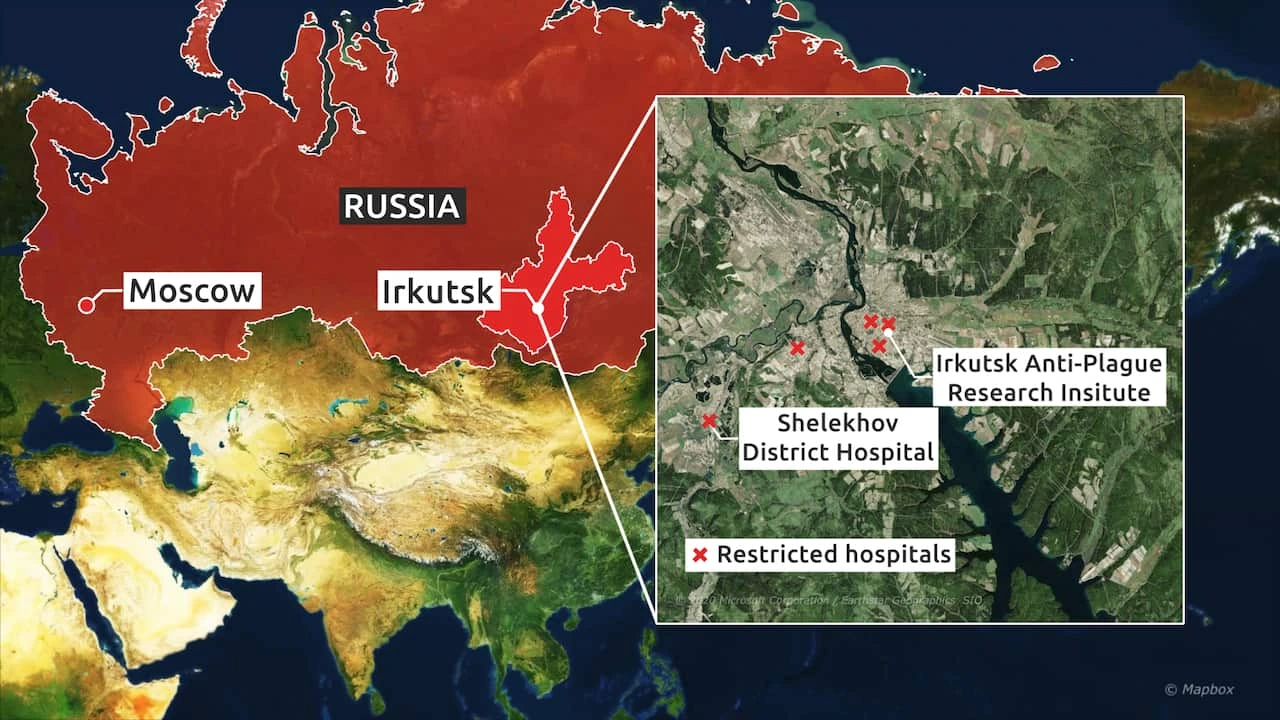
Quick answer: The Russia plague case centers on a 28-year-old laboratory worker at an anti-plague research institute in Irkutsk, Siberia, who died on October 2, 2026 after being hospitalized with severe pneumonia. Early reports suggested pneumonic plague, but no diagnosis has been confirmed. Russian authorities say it was pneumonia of unknown origin and that no plague was found among her contacts. The World Health Organization (WHO) rates the risk as moderate to low for Irkutsk, low for Russia, and very low for the wider European region.
A single hospital death in a remote part of Siberia has become one of the most talked-about health stories of the month. The reason is easy to understand: the word “plague” carries centuries of fear, and the phrase “pneumonia of unknown cause” echoes the early days of COVID-19. That mix has driven a flood of speculation online.
This article sticks to what has been reported by the WHO, major news organizations, and Russian authorities, and it clearly separates confirmed facts from rumors. Note that plague is caused by bacteria, not a virus, and so far no cause of death has been officially confirmed.
Russia Plague Case Timeline: What Happened
- September 29: The worker, employed at the Irkutsk Anti-Plague Research Institute of Siberia and the Far East, was hospitalized with severe pneumonia, according to the WHO.
- October 2: She died. The same day, regional officials and local media reports suggested plague as a possible cause, and the WHO picked up the story through media monitoring.
- October 2-3: Media reports said close to 200 people were placed under medical observation, and a regional leader said contacts showed no symptoms.
- October 4-5: Russia’s health regulator, Rospotrebnadzor, described the diagnosis as “pneumonia of unknown aetiology,” and the regional governor said the same.
- October 6: Russia answered the WHO’s formal verification request, stating that no plague case had recently been registered in Irkutsk Oblast and that contacts had been tested.
- October 8: Russian officials dismissed reports of a second sick employee as false, while the WHO’s director-general asked Russia to clarify those reports.
What Russian Authorities Have Said
According to the information Russia gave the WHO, an epidemiological investigation was carried out after the worker’s pneumonia case was identified. Russian officials say tests on people who had contact with her found no dangerous pathogens. Reporting based on the health regulator’s statement said the contact tests turned up a small number of ordinary infections, two COVID-19 cases and two rhinovirus cases, but nothing more serious.
Authorities have also said there is no risk of a wider epidemic. Residents of Irkutsk told reporters that daily life had been largely unaffected, even though the story was widely discussed locally.
What the WHO and Health Agencies Say
The WHO’s public notice on the event states that a key uncertainty is the lack of a confirmed diagnosis, and that more clinical, epidemiological, and laboratory information is needed. Its initial risk assessment is moderate to low for Irkutsk, low for Russia as a whole, and very low for the WHO European region.
US health authorities have also said the risk to the United States is extremely low, while monitoring the situation. Neither the WHO nor US agencies have reported any confirmed spread beyond the original case.
What Is Still Unconfirmed
Several claims are circulating that have not been verified:
- A broken test tube. Some local reports, citing unnamed sources, said the worker was exposed after a sample container broke in the lab. This has not been confirmed by officials.
- A second infected employee. Russia has called this false. The WHO has asked for clarification.
- A biological weapons link. There is no public evidence that the institute was developing plague as a weapon or that her death is connected to any weapons program.
- The exact cause of death. Until laboratory results are released and verified, any claim that this was definitely plague, or definitely not plague, goes beyond the evidence.
What Is Plague? A Quick Explainer
Plague is caused by the bacterium Yersinia pestis, which normally circulates among small mammals such as rodents and the fleas that live on them. It is not a virus, and it is treatable with antibiotics when caught early. There are three main forms:
- Bubonic plague: spread by flea bites or contact with infected animals. This is the classic form linked with the Black Death and accounts for most modern cases.
- Pneumonic plague: infection of the lungs. It is the rarest form, but it is the only one that can spread person to person through respiratory droplets, which is why health agencies take suspected cases seriously.
- Septicemic plague: infection of the bloodstream.
Plague still occurs naturally in parts of Central Asia, Africa, the Americas, and Siberia. Worldwide there are roughly one to three thousand cases a year according to BBC health reporting, almost all of them bubonic. The WHO has noted that the Irkutsk institute studies dangerous pathogens, including plague, in a region where the disease occurs naturally in wild animals, which explains why an anti-plague institute exists there in the first place.
Why Is the Russia Plague Case Getting So Much Attention?
Three things combine here. The word “plague” is emotionally powerful. The phrase “pneumonia of unknown cause” reminds many people of early COVID-19 reporting. And conflicting early statements, including a regional post that was edited after publication, made the situation look murkier than it may be. Health experts quoted in the coverage have repeatedly urged caution and asked people to rely on official updates rather than social media rumors.
What This Means for Your Home: Rodent and Flea Prevention
Nothing about this case suggests a risk to ordinary households in the US, UK, or elsewhere. Still, the story is a useful reminder that plague’s natural cycle runs through rodents and fleas, and that basic pest prevention at home is worth doing for many other health reasons too. Sensible habits include:
- Seal entry points. Close gaps around pipes, vents, doors, and foundations where mice and rats can get in.
- Store food in sealed containers and keep trash covered, so rodents have no reason to visit.
- Reduce clutter and outdoor shelter, such as woodpiles and debris stacked against the house.
- Keep pets on a vet-recommended flea control plan, especially if they roam outdoors.
- Never handle sick or dead wild rodents with bare hands. Use gloves, and contact local animal control or health authorities where appropriate.
- See a doctor promptly if you develop fever, swollen glands, or breathing problems after rodent or flea exposure, particularly if you have traveled to an area where plague occurs.
To be clear, roaches and silverfish are not plague carriers. But the same moisture control, food storage, and sealing habits that keep them out also make a home less attractive to rodents. Our guides on types of roaches in your home and silverfish prevention and removal walk through those steps, and the complete home cleaning guide covers the wider routine.
How to Follow the Story Reliably
Because this story is still developing, the most dependable sources are the WHO’s disease outbreak notice on the Russian Federation case and the WHO’s plague fact sheet, alongside established news organizations. Be cautious with unsourced social media claims, especially anything that states a definite cause of death before it has been officially confirmed.
Is there a plague outbreak in Russia?
No outbreak has been confirmed. A lab worker in Irkutsk died on October 2, 2026, and plague was suspected in early reports, but Russian authorities say it was pneumonia of unknown origin, and the WHO says no diagnosis has been confirmed.
Is plague a virus?
No. Plague is caused by the bacterium Yersinia pestis and can be treated with antibiotics, especially when caught early.
Can plague spread from person to person?
Pneumonic plague, the lung form, can spread through respiratory droplets. Bubonic plague is mainly spread by infected fleas and animals rather than between people.
Should I change anything at home because of this news?
The WHO and US health authorities rate the risk outside the affected region as very low. General rodent and flea prevention, such as sealing entry points and storing food securely, is still good practice.
Final Thoughts
The Russia plague case is, for now, a story about uncertainty rather than confirmed danger: a tragic death, an unconfirmed cause, official denials of spread, and international agencies asking for more data. Staying calm, checking official sources, and avoiding speculation is the right approach. For your own household, the practical takeaway is simple and not new: keep food sealed, block entry points, control fleas on pets, and keep your home clean and dry.
This article is for general information only and is not medical advice. If you feel unwell, contact a healthcare professional.