Low water pressure can make everyday tasks frustrating. A shower may suddenly feel weak, faucets may barely flow, or multiple fixtures may stop working properly at the same time.
The good news is that low water pressure in a house can have several relatively simple causes. Before assuming you need expensive plumbing work, you can perform a few basic checks to identify where the problem is coming from.
Quick Answer: To troubleshoot low water pressure, first determine whether the problem affects one fixture or the entire house. Check faucet aerators and showerheads for buildup, inspect visible valves, look for leaks, and check whether other fixtures have normal pressure. If pressure remains low throughout the home, contact a qualified plumber to investigate the plumbing system.
What Causes Low Water Pressure?
There isn’t one universal cause of low water pressure.
Common possibilities include:
- Clogged faucet aerators
- Blocked showerheads
- Partially closed water valves
- Plumbing leaks
- Corroded pipes
- Problems with a pressure regulator
- Issues with the municipal water supply
- Problems with a well or pump system
- Multiple fixtures being used simultaneously
The first step is determining whether the problem is isolated or affecting the entire house.
1. Check Whether the Problem Affects One Fixture
Turn on several faucets and showers.
If only one faucet has weak pressure, the problem is probably localized.
For example:
Kitchen faucet = low pressure
Bathroom faucet = normal
Shower = normal
This suggests you should investigate the kitchen faucet rather than the entire plumbing system.
However, if every fixture has suddenly developed low pressure, the cause may be further upstream.
2. Clean the Faucet Aerator
A faucet aerator is the small screen attached to the end of many faucets.
Mineral deposits and debris can accumulate inside it and restrict water flow.
How to clean it:
- Unscrew the aerator carefully.
- Remove visible debris.
- Rinse the screen.
- Clean mineral buildup using an appropriate method for the faucet material.
- Reinstall the aerator.
- Turn the faucet on and check the flow.
If pressure improves immediately, the clogged aerator was likely the problem.
3. Check Your Showerhead
If low water pressure in the shower is the main problem, inspect the showerhead.
Mineral deposits can restrict the small openings through which water flows.
Remove and clean the showerhead according to the manufacturer’s recommendations.
Also check whether the showerhead has a flow-control component that may be affecting the perceived water flow.
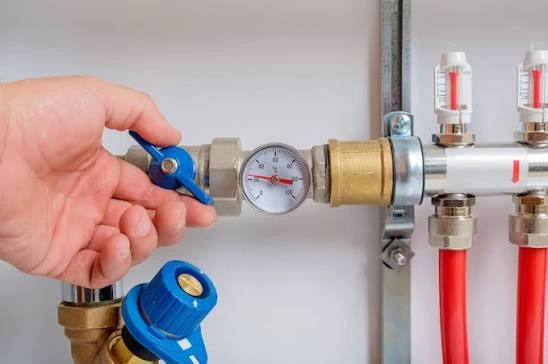
4. Check the Main Water Valve
Your home’s main water shutoff valve controls the incoming water supply.
If it is partially closed, your home may experience reduced water flow.
Check whether the valve appears fully open.
Do not force a stuck or damaged valve.
If you’re unsure how your particular valve works, have a qualified plumber inspect it.
5. Look for Visible Plumbing Leaks
A leak can affect water pressure and potentially cause property damage.
Look around accessible areas such as:
- Under sinks
- Around toilets
- Near exposed pipes
- Around water heaters
- In utility areas
Look for:
- Standing water
- Dampness
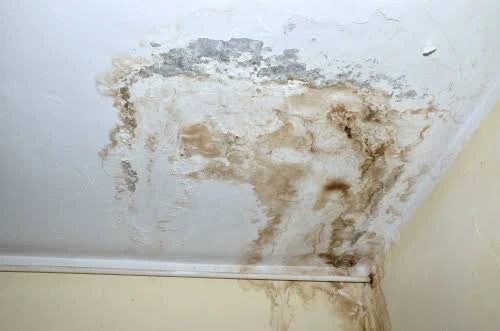
- Water stains
- Dripping
- Unusual sounds
If you discover a significant leak, shut off the water supply if it is safe to do so and contact a qualified professional.
You can also check our guide on how to fix a leaky faucet if the issue is specifically coming from a faucet.
6. Check Multiple Fixtures at the Same Time
Turn on two or three fixtures simultaneously.
For example:
- Kitchen faucet
- Bathroom faucet
- Shower
If water pressure drops significantly when multiple fixtures operate, the plumbing system may have difficulty maintaining flow under the increased demand.
This doesn’t automatically indicate a major problem, but persistent or severe pressure issues deserve professional evaluation.
7. Check for Plumbing Pipe Problems
Older plumbing systems can develop restrictions caused by corrosion, mineral deposits, or deterioration.
If the house has gradually experienced worsening water pressure over months or years, the plumbing itself may need inspection.
This is especially worth investigating if:
- Cleaning fixtures doesn’t help
- Multiple fixtures have low flow
- The problem is getting progressively worse
- The plumbing system is older
A qualified plumber can determine whether the pipes are contributing to the problem.
8. Consider the Municipal Water Supply
Sometimes the problem isn’t inside your home.
Your local water provider may be experiencing:
- Maintenance
- A temporary outage
- Pressure changes
- Water-main work
Ask nearby neighbors whether they’re experiencing the same issue.
If several homes have suddenly developed low water pressure, contact your local water provider to ask whether there is a known problem.
9. Check Well and Pump Systems
Homes supplied by private wells can experience water-pressure problems related to the well or pump system.
Potential causes can include:
- Pump problems
- Pressure tank issues
- Clogged components
- Electrical problems
- Low water levels
Because these systems can involve electrical and mechanical components, professional inspection is often the safest approach.
Low Water Pressure vs Low Water Flow
These terms are sometimes used interchangeably, but they’re not necessarily the same.
Water pressure refers to the force pushing water through the plumbing system.
Water flow refers to the amount of water moving through the system over a period of time.
A clogged faucet aerator, for example, can reduce the amount of water coming through a fixture without necessarily indicating a whole-house pressure problem.
That’s why identifying where the problem occurs is important before trying to fix it.
When Should You Call a Plumber?
Some basic troubleshooting is reasonable for homeowners, but professional help is appropriate when:
- Water pressure suddenly drops throughout the house
- You suspect a major leak
- Pipes may be damaged
- The main valve is stuck
- Water pressure is consistently very low
- You have an older plumbing system
- A well or pump system is involved
- You notice unexplained water damage
Avoid attempting electrical, gas, structural, or complex plumbing work without the appropriate training. Quick Low Water Pressure Troubleshooting Checklist
| Problem | Possible Cause | First Step |
|---|---|---|
| One faucet has low flow | Clogged aerator | Clean aerator |
| Shower has weak flow | Mineral buildup | Inspect showerhead |
| Whole house has low pressure | Main supply/system issue | Check valve and supply |
| Pressure suddenly drops | Leak or supply issue | Check for leaks |
| Neighbors have same issue | Municipal supply | Contact water provider |
| Older home with gradual decline | Pipe restriction | Professional inspection |
| Well-equipped home | Pump/pressure system | Contact qualified professional |
How Can You Increase Water Pressure?
The right solution depends on the cause.
If the problem is a clogged aerator or showerhead, cleaning it may restore normal flow.
If a valve is partially closed, correcting its position may solve the issue.
But don’t automatically install a pressure-boosting device before identifying the underlying problem. Increasing pressure without understanding the plumbing system can create additional problems.
FAQs – how to fix low water pressure
Why is my water pressure suddenly low?
Sudden low water pressure can be caused by a partially closed valve, plumbing leak, municipal water-supply issue, or another problem affecting the incoming supply.
Why is my shower pressure low but the faucets are normal?
A clogged showerhead or restriction within the shower plumbing may be responsible. Start by inspecting and cleaning the showerhead according to its manufacturer’s instructions.
How do I increase water pressure in my house?
First identify the cause. Cleaning blocked fixtures or correcting a partially closed valve may help, but whole-house pressure problems may require professional plumbing inspection.
Can a water leak cause low water pressure?
Yes, a significant plumbing leak can affect water flow and may also cause water damage. Visible leaks should be addressed promptly.
When should I call a plumber for low water pressure?
Call a qualified plumber when pressure is consistently low throughout the home, you suspect a major leak, the problem involves inaccessible plumbing, or basic troubleshooting doesn’t solve the issue.
Final Thoughts
The best way to fix low water pressure is to identify the source before changing anything.
Start with the simplest possibilities: check individual fixtures, clean aerators and showerheads, inspect accessible valves, and look for visible leaks.
If the problem affects the entire house or continues after basic troubleshooting, professional diagnosis is the safer option.
For more practical DIY guidance, explore the RankChemist Home Improvement section and our guide to basic home repairs every homeowner should know.