
The basic home repairs every homeowner should know include patching holes in drywall, fixing a leaky faucet, unclogging a toilet, fixing a running toilet, and properly painting a room. Each of these is genuinely doable without professional help, usually with under $30 in materials and an hour or two of time — and mastering them prevents small issues from turning into expensive callouts down the line.
Owning a home comes with a steady stream of small things that break, drip, clog, or crack. None of it is usually serious, but ignoring it long enough turns a $10 fix into a $200 repair bill. The good news: most of what comes up doesn’t require a professional — just the right steps, done in the right order. This guide walks through the basic home repairs every homeowner should know, with a full step-by-step breakdown linked for each one.
Why Learning These Repairs Actually Pays Off
Every one of these skills follows the same pattern: a small amount of upfront learning saves a repeated cost later. A plumber’s minimum callout fee alone often costs more than the parts needed to fix a leaky faucet yourself. Multiply that across a few repairs a year, and basic home repair knowledge pays for itself within the first project or two — plus you’re not stuck waiting days for someone to show up for a five-minute fix.
1. Patching a Hole in Drywall
Nail holes, doorknob dents, and the occasional larger gash from moving furniture are some of the most common damage in any home. The fix depends entirely on the size — a nail hole takes spackle and five minutes, while anything over 4 inches needs a proper drywall patch and backing support.
What it involves: Sanding the area, applying spackle or joint compound with a mesh patch for larger holes, feathering the edges, and repainting to match.
👉 Full step-by-step guide: How to Patch a Hole in Drywall
2. Fixing a Leaky Faucet
A faucet dripping once per second can waste over 3,000 gallons of water a year. Most leaks come down to one worn part — a washer, O-ring, or cartridge — and replacing it is a straightforward repair once the water supply is shut off.
What it involves: Shutting off the water supply, disassembling the handle and internal parts, identifying and replacing the worn component, then reassembling.
👉 Full step-by-step guide: How to Fix a Leaky Faucet
3. Unclogging a Toilet
Every homeowner deals with this eventually, and knowing how to handle it — with or without a plunger — turns a stressful moment into a five-minute fix instead of a panic.
What it involves: Using a flanged plunger correctly, or turning to household alternatives like dish soap and hot water, baking soda and vinegar, or an improvised tool if no plunger is available.
👉 Full step-by-step guide: How to Unclog a Toilet
4. Fixing a Running Toilet
That constant hissing sound usually means one of two things: a worn flapper, or a fill valve that isn’t shutting off properly. Diagnosing which one it is before buying parts saves both money and a second trip to the hardware store.
What it involves: Testing the flapper, checking the water level against the overflow tube, and replacing whichever part — flapper or fill valve — is actually causing the issue.
👉 Full step-by-step guide: How to Fix a Running Toilet
5. Painting a Room Properly
Painting is often the first real DIY project new homeowners take on, and the gap between an amateur result and a professional-looking one almost always comes down to preparation — repairing walls, taping edges, and cutting in before rolling — rather than any special skill.
What it involves: Wall repair and sanding, taping trim and edges, cutting in with a brush before using a roller, and applying paint in a consistent pattern to avoid visible lap marks.
👉 Full step-by-step guide: How to Paint a Room Like a Pro
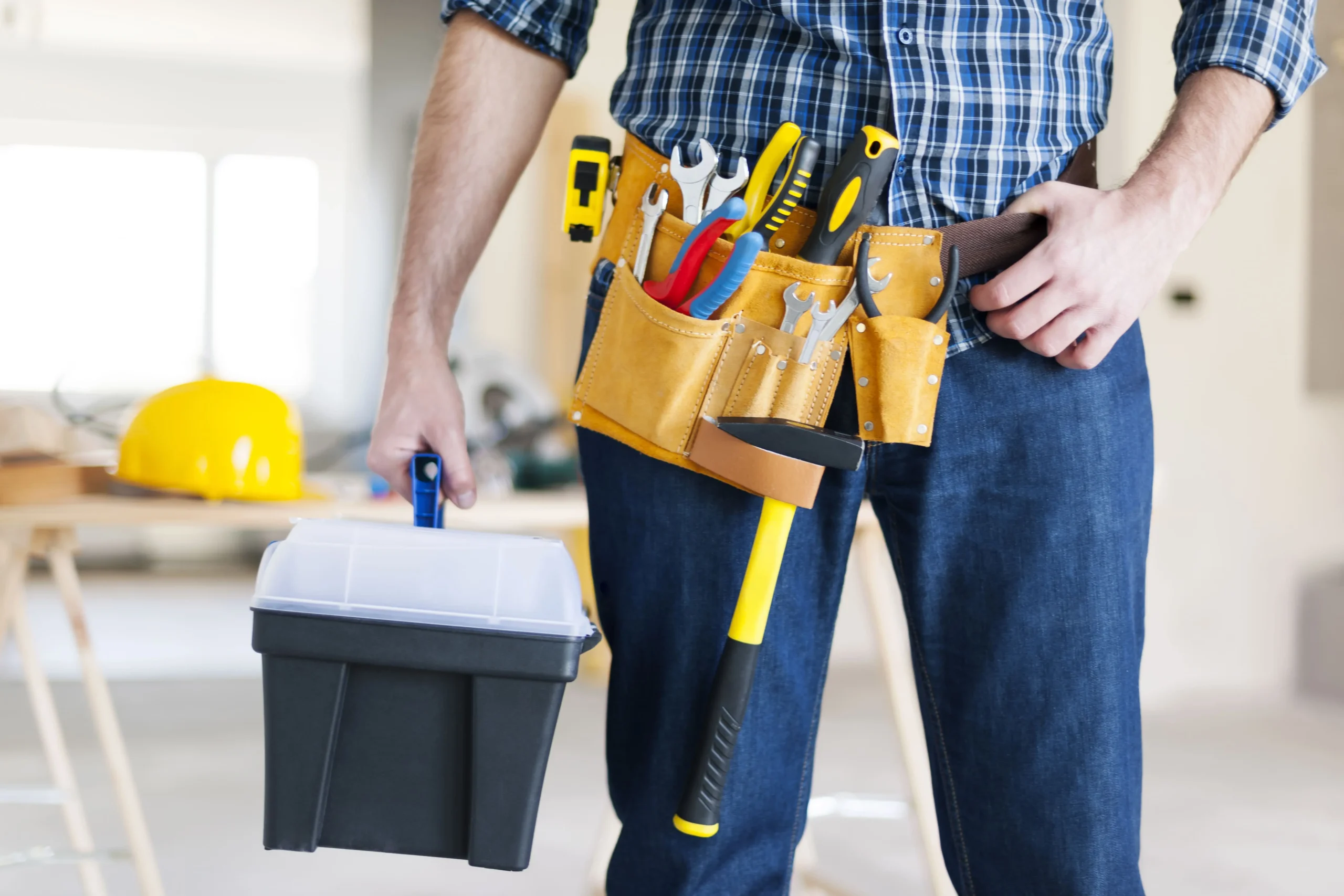
A Basic Toolkit Covers Almost Everything Above
You don’t need an expensive or extensive tool collection to handle these five repairs. A solid starter kit includes:
- A hammer and a set of screwdrivers (flathead and Phillips, multiple sizes)
- Adjustable pliers and needle-nose pliers
- A tape measure and a utility knife
- A putty knife (for drywall and paint prep)
- An adjustable wrench (for faucet repairs)
- A flanged plunger
- A stud finder
As you take on more projects, a cordless drill, a caulking gun, and a pipe wrench are natural next additions — but none of the five repairs above strictly require them.
When to Stop and Call a Professional
Basic home repair knowledge is genuinely useful, but knowing your limits matters just as much as knowing the repairs themselves. Call a professional instead of continuing DIY when:
- The issue involves gas lines, electrical panels, or main structural elements
- A drywall repair reveals mold, water damage, or exposed wiring behind the wall
- A plumbing fix doesn’t resolve after replacing the obvious worn parts, suggesting a deeper issue
- Any repair requires cutting into a wall without knowing what’s behind it (wiring, pipes)
There’s no downside to handling the five repairs above yourself, but stepping back at the right point avoids turning a manageable problem into a dangerous or more expensive one.
FAQs About Basic Home Repairs Every Homeowner Should Know
What are the most important home repairs every homeowner should learn first?
Fixing a leaky faucet, patching small drywall holes, and unclogging a toilet are the most frequently needed repairs and the easiest to learn first, since they come up often and require minimal tools.
Do I need expensive tools to do basic home repairs?
No. A modest toolkit — screwdrivers, pliers, a putty knife, an adjustable wrench, and a plunger — covers the vast majority of common home repairs without any specialized or costly equipment.
How much money can I save by learning basic home repairs myself?
A single plumber or handyman callout fee often costs more than the materials needed for several DIY repairs combined, so learning even two or three basic skills can pay for itself quickly.
When should I avoid DIY and call a professional instead?
Avoid DIY for anything involving gas lines, electrical panels, major structural issues, or when a repair reveals a deeper problem like mold or water damage behind a wall.
Final Thoughts
These five basic home repairs drywall patching, faucet fixing, toilet unclogging, running-toilet fixes, and room painting cover the vast majority of what comes up in an average home over the course of a year. None of them require professional training, and each guide linked above walks through the exact steps so there’s no guessing involved. Start with whichever one is currently bothering you most, and the next one will feel a lot less intimidating once you’ve done your first.