Keeping up with home maintenance doesn’t have to mean spending every weekend fixing something. A simple home maintenance checklist can help you identify small problems early, protect important parts of your home, and avoid unnecessary repairs.
This guide breaks home maintenance into monthly, seasonal, and yearly tasks, so you can follow a simple schedule without feeling overwhelmed.
Quick Answer: A good home maintenance routine includes checking plumbing for leaks, cleaning appliances, inspecting walls and ceilings, maintaining bathrooms and outdoor areas, checking doors and windows, and completing seasonal inspections. Regular maintenance helps homeowners spot problems before they become more expensive repairs.
Why Is Home Maintenance Important?
Regular maintenance helps you notice problems while they are still relatively small.
For example, a dripping faucet may be easy to fix, while ignoring it can eventually contribute to water damage. Similarly, a small drywall problem or bathroom moisture issue can become more difficult to address if the underlying cause is ignored.
A regular house maintenance checklist gives you a simple system to keep track of these tasks.
The goal isn’t to inspect every part of your home every day. Instead, divide maintenance into manageable tasks throughout the year.
Monthly Home Maintenance Checklist
These are tasks most homeowners can check approximately once a month.
1. Check for Plumbing Leaks
Inspect visible pipes, faucets, toilets, and areas underneath sinks.
Look for:
- Dripping faucets
- Moisture around pipes
- Water stains
- Slow drains
- Unusual sounds from toilets
If you notice a running toilet, for example, the problem may involve the flapper, fill valve, or float.
You can also read our guide on how to fix a running toilet for a step-by-step explanation.
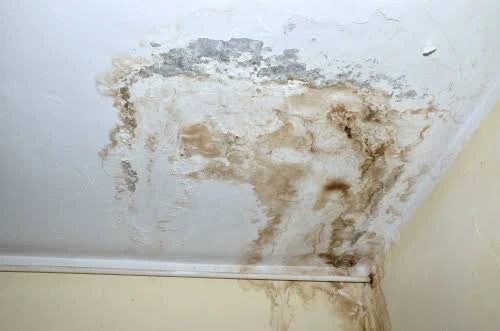
2. Inspect Walls and Ceilings
Walk through your home and look for:
- New cracks
- Water stains
- Peeling paint
- Damp areas
- Holes or dents
Small cosmetic damage can often be repaired relatively easily.
For example, our guide on how to patch a hole in drywall explains different approaches depending on the size of the damage.
However, unusual cracks or signs of structural movement should be evaluated by an appropriately qualified professional.
3. Clean Important Appliances
Appliances work better when they are maintained according to their manufacturer’s instructions.
Don’t just clean the visible exterior.
Depending on the appliance, check:
- Filters
- Seals
- Trays
- Vents
- Detergent compartments
- Removable components
For example, a washing machine can accumulate detergent residue and moisture over time. Our guide on how to clean a washing machine covers the drum, gasket, detergent drawer, and filter.
4. Check Your Bathroom
Bathrooms are exposed to moisture every day.
Check around:
- Shower areas
- Bathtubs
- Toilets
- Sinks
- Ceilings
- Grout and caulking
Pay particular attention to persistent moisture, musty smells, or visible mold.
If you discover bathroom mold, first address the moisture source rather than simply cleaning the visible growth.
You can learn more in our guide to getting rid of bathroom mold.
5. Test Smoke and Carbon Monoxide Alarms
Check your home’s smoke and carbon monoxide alarms according to the manufacturer’s instructions.
Replace batteries or the entire unit when required.
Never remove or disable an alarm because of repeated nuisance alarms. Instead, investigate the cause and follow the manufacturer’s recommendations.
Seasonal Home Maintenance Checklist
Some maintenance tasks make more sense at particular times of the year.
Spring Home Maintenance
Spring is a good time to inspect your home after winter.
Spring checklist:
- Inspect the roof from a safe location
- Check gutters and drainage areas
- Inspect windows and doors
- Look for water damage
- Clean outdoor areas
- Check garden beds
- Inspect exterior paint and surfaces
- Test outdoor faucets where applicable
Spring is also a good time to start preparing your garden.
If you’re new to gardening, check out our guide on how to start a vegetable garden for beginners.
Summer Home Maintenance
Summer maintenance often focuses on outdoor areas and cooling systems.
Summer checklist:
- Maintain garden areas
- Check outdoor faucets
- Clean appropriate outdoor surfaces
- Inspect windows and screens
- Check air-conditioning filters according to manufacturer instructions
- Look for signs of pests
- Keep outdoor drainage areas clear
Don’t forget that landscaping can also affect your home’s maintenance needs. Keep vegetation appropriately maintained around the property.
Fall Home Maintenance
Fall is an excellent time to prepare your home for colder or wetter weather.
Fall checklist:
- Clean appropriate gutters and drainage areas
- Inspect doors and windows
- Check weatherstripping
- Inspect heating equipment
- Clean or replace filters according to manufacturer recommendations
- Store outdoor equipment appropriately
- Check for exterior damage
- Prepare gardens for the upcoming season
Winter Home Maintenance
During winter, focus on preventing moisture problems and monitoring areas affected by cold weather.
Winter checklist:
- Watch for plumbing leaks
- Check indoor humidity where appropriate
- Inspect ceilings and walls for water stains
- Keep heating equipment maintained
- Check doors and windows for drafts
- Keep emergency supplies accessible
- Monitor areas vulnerable to freezing temperatures
If you live in a climate where freezing temperatures are uncommon, adjust this checklist to your local weather conditions.
Yearly Home Maintenance Tasks
Some tasks don’t need to be completed every month but should still be reviewed at least once a year.
| Maintenance Task | Recommended Frequency | Why It Matters |
|---|---|---|
| Check plumbing | Monthly | Helps identify leaks early |
| Clean appliances | Monthly/As recommended | Reduces buildup |
| Inspect windows & doors | Seasonally | Helps identify damage and drafts |
| Inspect roof | Annually/After severe weather | Helps identify visible problems |
| Check smoke alarms | Monthly/Manufacturer guidance | Important safety check |
| Inspect exterior | Seasonally | Helps identify deterioration |
| Maintain garden | Seasonally | Keeps outdoor areas manageable |
| Review emergency supplies | Yearly | Helps you stay prepared |
Always follow manufacturer instructions and local requirements for equipment-specific maintenance.
Home Maintenance Tasks You Shouldn’t DIY
DIY maintenance can save money and teach useful skills, but not every repair is appropriate for a homeowner.
Be particularly careful with:
- Electrical systems
- Gas appliances
- Major plumbing
- Structural damage
- Roof repairs
- Mold problems involving extensive contamination
- HVAC repairs requiring specialized equipment
If you’re unsure whether a repair is safe, consult an appropriately qualified professional.
A good homeowner knows what to fix and when to call someone who has the right training and equipment.
How to Create Your Own Home Maintenance Schedule
The easiest way to stay consistent is to create a simple schedule.
Every Month
☐ Check visible plumbing
☐ Inspect walls and ceilings
☐ Clean important appliances
☐ Check bathrooms for moisture
☐ Test safety alarms according to manufacturer guidance
Every Season
☐ Inspect windows and doors
☐ Check outdoor areas
☐ Maintain the garden
☐ Inspect exterior surfaces
☐ Prepare for seasonal weather
Once a Year
☐ Review major maintenance needs
☐ Inspect areas that are difficult to access
☐ Review appliance maintenance requirements
☐ Update your emergency supplies
☐ Plan professional inspections where appropriate
You can save this checklist to your phone or print it and keep it somewhere easy to access.
Common Home Maintenance Mistakes
Many homeowners make the same mistakes repeatedly.
Ignoring small leaks
A small leak doesn’t necessarily mean there’s a major problem, but it should be investigated rather than ignored.
Waiting until something breaks
Preventive maintenance is generally easier than emergency repair.
Forgetting appliances
Cleaning an appliance only when it stops working is too late. Follow its maintenance instructions throughout the year.
Doing dangerous repairs yourself
YouTube tutorials don’t replace professional training for electrical, gas, structural, or other high-risk work.
Having no schedule
Without a checklist, it’s easy to forget tasks until something goes wrong.
FAQs – Home Maintenance Checklist
How often should you do home maintenance?
Basic home maintenance should be performed throughout the year. Some tasks are appropriate monthly, while others should be completed seasonally or annually.
What should be included in a home maintenance checklist?
A basic checklist should include plumbing inspections, appliance maintenance, bathroom checks, safety alarm testing, wall and ceiling inspections, outdoor maintenance, and seasonal preparation.
What home maintenance should be done every month?
Monthly tasks can include checking for visible leaks, inspecting bathrooms, cleaning important appliance components, checking walls and ceilings, and testing safety alarms according to manufacturer instructions.
What should homeowners check seasonally?
Seasonal checks can include windows and doors, outdoor areas, drainage, gardens, exterior surfaces, heating or cooling equipment, and weather-related maintenance.
Can I do home maintenance myself?
Many basic tasks can be handled by homeowners, but electrical, gas, structural, major plumbing, and other potentially dangerous repairs should be handled by appropriately qualified professionals.
Final Thoughts
A home maintenance checklist turns a large job into a collection of small, manageable tasks.
Instead of waiting for something to break, spend a little time each month checking the important areas of your home. Then use seasonal and yearly inspections to catch problems that aren’t visible during everyday cleaning. For more practical guides, explore the RankChemist Home Improvement section, along with our Cleaning, Gardening, and Home Decor resources.